Recognizing Menopause Symptoms and When to Call
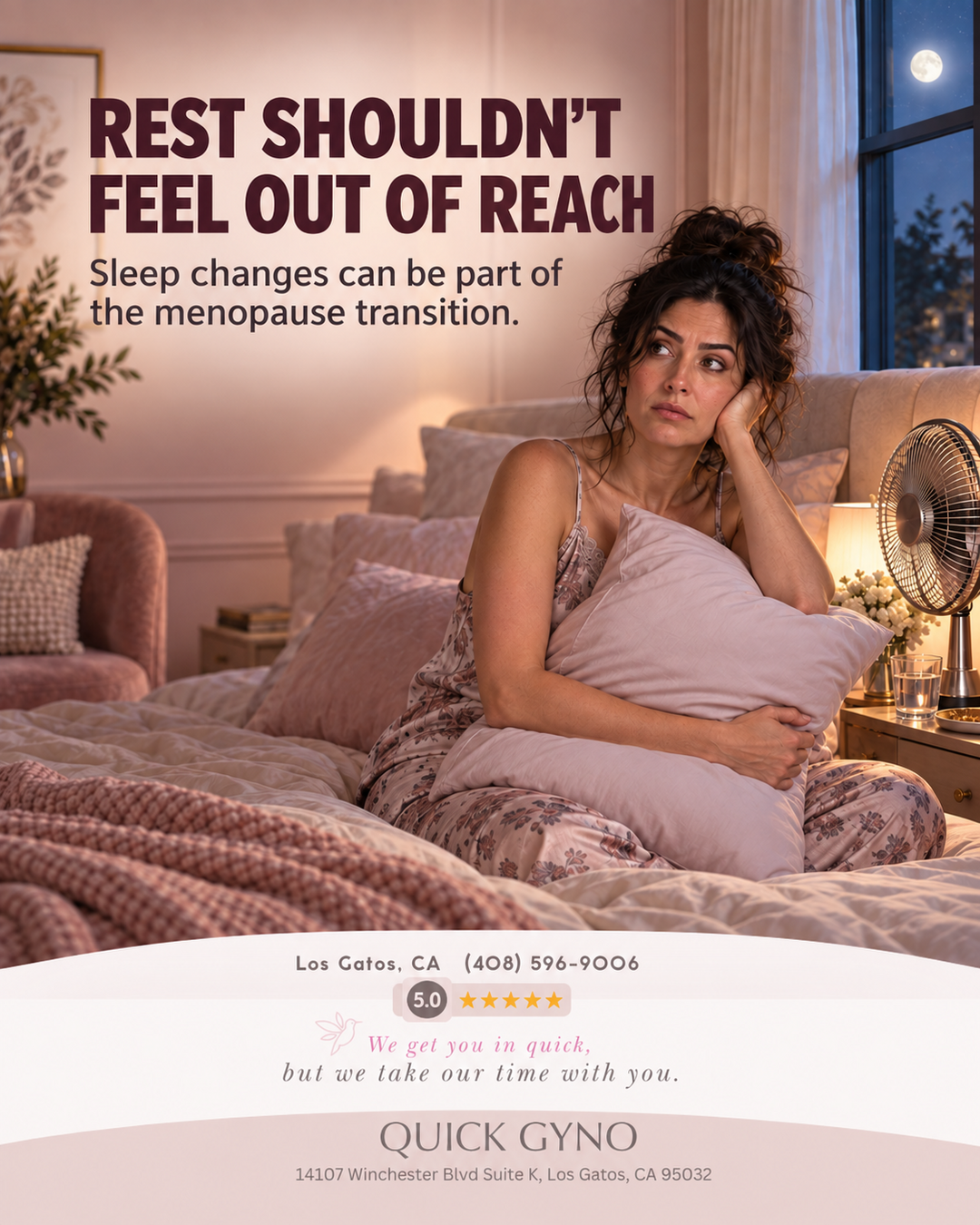
A hot flash that wakes you at 3 a.m. may be the first sign. Or the change may be quieter: periods becoming less predictable, sex feeling uncomfortable, or a level of fatigue that does not match your schedule. Recognizing menopause symptoms is less about matching every change to a checklist and more about noticing patterns, ruling out other causes, and getting care that fits your health history and goals.
Menopause is a normal life stage, but the symptoms can be disruptive, surprising, and deeply personal. You do not have to wait until your periods stop completely to discuss what you are experiencing.
What menopause and perimenopause mean
Menopause is reached after 12 consecutive months without a menstrual period, when that absence is not explained by another medical cause. In the United States, it most often occurs between ages 45 and 55, though timing varies widely.
The years leading up to menopause are called perimenopause. During this transition, estrogen and progesterone levels can rise and fall unevenly. Symptoms often begin during perimenopause, sometimes while periods are still arriving regularly. For some women, the transition lasts a few years; for others, it lasts longer.
A change in your cycle is common, but it should not automatically be dismissed as menopause. Pregnancy, thyroid conditions, uterine fibroids, medication changes, stress, and other health concerns can also affect bleeding and how you feel. A personalized evaluation matters, especially when symptoms are new, severe, or changing quickly.
Recognizing menopause symptoms in everyday life
Hot flashes and night sweats are widely recognized, but menopause can affect sleep, mood, sexual comfort, urinary health, and concentration as well. Symptoms may come and go. Two people at the same stage of life can have very different experiences.
Changes in periods
Perimenopause often begins with changes in menstrual patterns. Periods may arrive closer together or farther apart, become lighter or heavier, or last for fewer or more days than usual. Occasional skipped periods are common.
However, very heavy bleeding, bleeding that lasts longer than usual, spotting between periods, or any bleeding after menopause deserves prompt assessment. These symptoms can have many causes, and a clinician can determine whether testing is needed.
Hot flashes, night sweats, and sleep disruption
A hot flash may feel like a sudden wave of heat in the face, chest, or body, sometimes followed by sweating, flushing, chills, or a racing heartbeat. Night sweats can interrupt sleep repeatedly, leaving you tired and less patient the next day.
Not every feeling of warmth is a hot flash. Anxiety, certain medications, thyroid conditions, infections, and blood sugar changes can also cause sweating or palpitations. The timing, pattern, associated symptoms, and your medical history help clarify what is happening.
Mood, focus, and energy changes
Some women notice more irritability, anxious feelings, low mood, or trouble concentrating during perimenopause. Forgetting a word or losing your train of thought can feel alarming, particularly for busy professionals and caregivers already managing a full schedule.
Hormonal shifts may play a role, but sleep loss, stress, depression, anemia, thyroid disease, and medication effects can overlap with these symptoms. A thoughtful conversation should look at the full picture rather than assuming hormones explain everything.
Vaginal, sexual, and urinary symptoms
Lower estrogen can cause vaginal dryness, burning, itching, or discomfort with penetration. Some women notice reduced lubrication, changes in desire, or soreness that lingers after sex. These concerns are common and treatable, and there is no need to minimize them out of embarrassment.
Menopause-related tissue changes can also contribute to urinary urgency, burning with urination, more frequent urinary tract infections, or leakage with coughing and exercise. Similar symptoms can occur with a UTI, vaginal infection, skin condition, pelvic floor concern, or sexually transmitted infection, so testing may be appropriate before choosing treatment.
Body changes that are easy to overlook
Joint aches, headaches, breast tenderness, skin changes, and changes in body composition are sometimes reported during the menopause transition. Weight changes are not always caused by hormones alone. Age-related muscle loss, sleep disruption, stress, nutrition, activity levels, and metabolic health all matter.
This is one reason a one-size-fits-all menopause plan rarely works. The right approach may include symptom treatment, sleep support, nutrition guidance, strength training, or evaluation for another condition.
When to schedule an appointment sooner
Many menopause symptoms can be addressed at a routine visit, but certain changes should not wait. Contact a clinician promptly for severe pelvic pain, very heavy bleeding, fainting, chest pain, shortness of breath, or a new severe headache.
Also schedule an evaluation if you have bleeding after 12 months without a period, bleeding after sex, persistent pelvic pressure, unexplained weight loss, or urinary burning with fever, back pain, or nausea. These symptoms are not necessarily serious, but they need a timely assessment rather than an assumption that menopause is the cause.
If hot flashes, insomnia, mood changes, or vaginal discomfort are interfering with work, relationships, intimacy, or daily functioning, that is reason enough to seek support. You do not need to wait for symptoms to become unbearable.
What a menopause visit can include
A menopause consultation starts with your experience, not a generic treatment plan. Your clinician may ask about your period pattern, sleep, temperature changes, mood, sexual comfort, urinary symptoms, medications, family history, and personal history of conditions such as migraines, blood clots, breast cancer, liver disease, or cardiovascular disease.
Depending on your symptoms, the visit may include:
A review of bleeding patterns and pregnancy risk, since pregnancy can still occur during perimenopause
Blood pressure and other appropriate health measurements
A pelvic exam or vaginal testing when dryness, discharge, pain, urinary symptoms, or bleeding make it useful
Testing for conditions that can mimic or worsen menopause symptoms, such as thyroid concerns, anemia, infection, or diabetes
Discussion of breast health, bone health, cancer screening, nutrition, supplements, exercise, and sleep habits
Hormone testing is not always necessary to diagnose perimenopause in women with typical symptoms and changing periods. Hormone levels fluctuate significantly during this time, so a single result may not provide a clear answer. Testing can be useful in select situations, including earlier-than-expected symptoms or when the diagnosis is uncertain.
Treatment should reflect your symptoms and health history
Effective treatment is not limited to “putting up with it” or starting hormones. For bothersome hot flashes and night sweats, menopausal hormone therapy may be an option for some patients. Its potential benefits and risks depend on your age, time since menopause, symptom severity, uterus status, medical history, and personal preferences.
If hormone therapy is not appropriate or not your preference, non-hormonal prescription options may help with hot flashes. Sleep strategies, stress support, and adjustments to alcohol, caffeine, spicy foods, or room temperature can reduce triggers for some people, though results vary.
Vaginal dryness, urinary symptoms, and discomfort during intimacy are common concerns associated with declining estrogen levels, particularly during perimenopause and menopause—but they aren't something you simply have to live with.
Treatment options may include lubricants, vaginal moisturizers, local prescription therapies, and other personalized approaches. At Quick Gyno, we also offer ThermiVa®, a non-surgical, non-hormonal radiofrequency treatment that may help improve vaginal tissue health, moisture, and comfort.
At Quick Gyno, menopause care is designed to be convenient, compassionate, and tailored to your needs. A same-day visit may be especially helpful when new vaginal, urinary, bleeding, or hormonal symptoms are causing worry and you want clear answers without unnecessary delay.
Menopause is not a test of endurance. Paying attention to what has changed, bringing those details to a visit, and asking direct questions can help you move through this stage feeling more comfortable and more in control.