When you think of Vitamin D, your mind probably goes to bone health or maybe even the benefits of soaking up a little sunshine. But did you know that Vitamin D plays a critical role in your hormone health, too?
At Quick Gyno, we emphasize the whole woman — and that includes understanding how nutrients like Vitamin D influence your body's delicate hormonal balance. Let's dive into why Vitamin D matters so much for your hormonal health and how you can optimize your levels.
Vitamin D: More Than Just a Vitamin
Although it's called a "vitamin," Vitamin D acts more like a hormone in the body. It's involved in over 200 genes and interacts with almost every tissue — including your ovaries, adrenal glands, thyroid, and more. Essentially, Vitamin D serves as a foundational building block for producing and regulating key hormones that impact your mood, metabolism, menstrual cycles, fertility, and immune function.
How Vitamin D Supports Hormone Health
Balances Sex Hormones
Vitamin D influences estrogen and progesterone production, two essential hormones for menstrual health, fertility, and mood stability. Low levels of Vitamin D have been linked to conditions like PCOS (Polycystic Ovary Syndrome), PMS, and even infertility.Supports Thyroid Function
Your thyroid needs Vitamin D to function properly. A sluggish thyroid (hypothyroidism) can cause fatigue, weight gain, depression, and menstrual irregularities. Studies show that Vitamin D deficiency is common among individuals with thyroid disorders.Regulates Stress Hormones
The adrenal glands, which produce cortisol (your stress hormone), also rely on Vitamin D. Chronic Vitamin D deficiency can contribute to adrenal fatigue, making it harder for your body to manage everyday stressors.Boosts Mood and Mental Health
Vitamin D is essential for serotonin production — the "feel good" neurotransmitter. Low Vitamin D levels are associated with increased risk of depression, anxiety, and seasonal affective disorder (SAD).
Are You Getting Enough Vitamin D?
Surprisingly, many women are deficient, even those living in sunny climates. Factors like indoor lifestyles, sunscreen use, darker skin tones, and living at northern latitudes can all limit natural Vitamin D production.
Some signs you might have low Vitamin D include:
Fatigue
Low mood or depression
Hormonal imbalances (irregular periods, worsened PMS)
Muscle weakness or aches
Difficulty losing weight
The best way to know your Vitamin D status is through a simple blood test — something we can easily arrange for you at Quick Gyno.
Ways to Boost Your Vitamin D
Sunlight: Aim for 10-20 minutes of sun exposure daily (without sunscreen) on bare skin when possible.
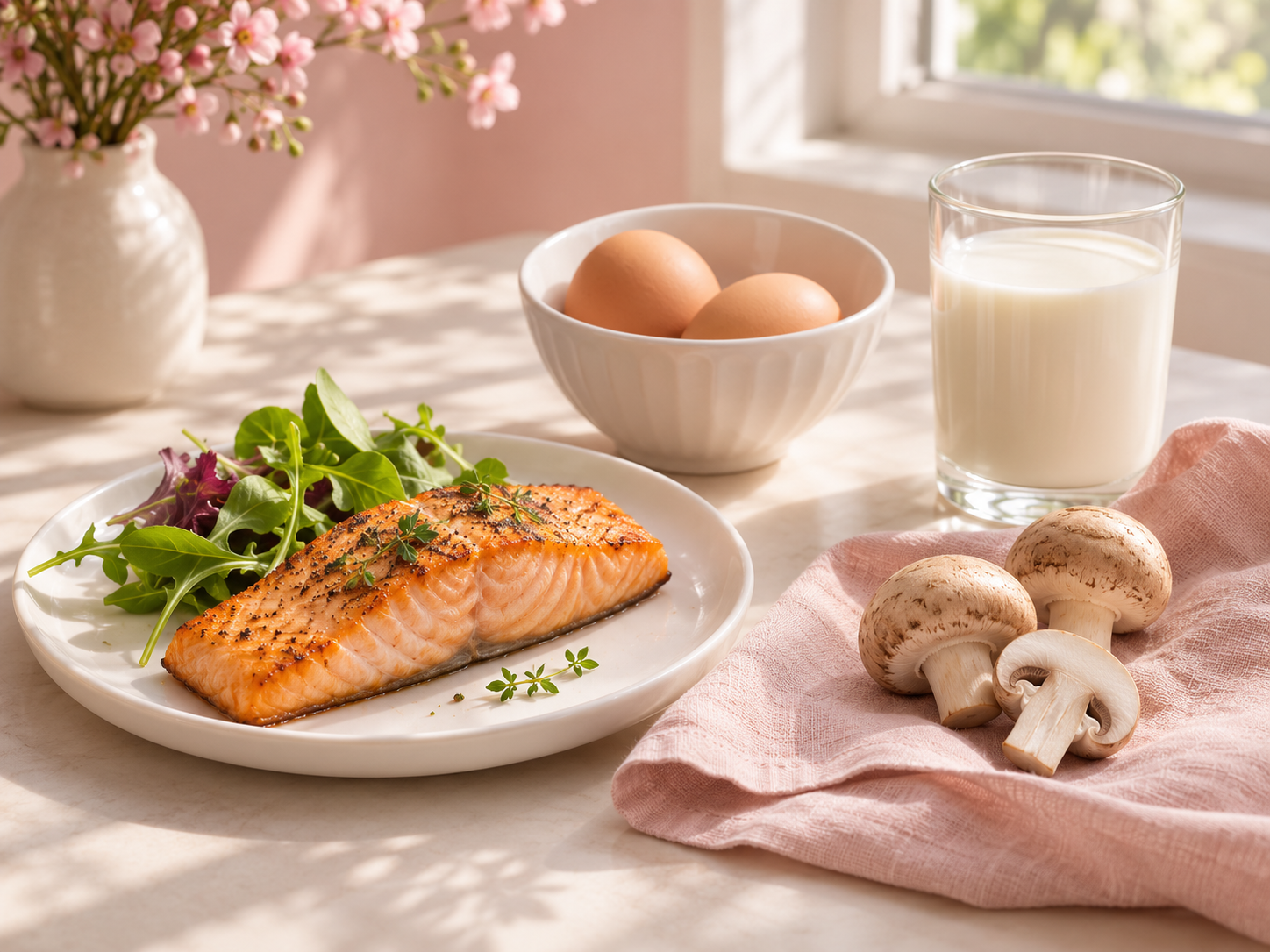
Foods: Include fatty fish (like salmon and sardines), fortified dairy or plant milks, eggs, and mushrooms.
Supplements: Vitamin D3 supplements can be very effective, especially during fall and winter months.
Pro Tip: At Quick Gyno, we recommend pairing Vitamin D supplements with Vitamin K2 for better absorption and to support bone and heart health.
Your Next Steps
If you're struggling with hormonal symptoms, it might not just be "stress" or "aging" — your body could be asking for support in the form of better nutrient balance. A simple Vitamin D check could be a game-changer for your health and vitality.